
The Pathway to Lasting Health
Pre-Op Optimization, Precision Surgery, Lifelong Partnership
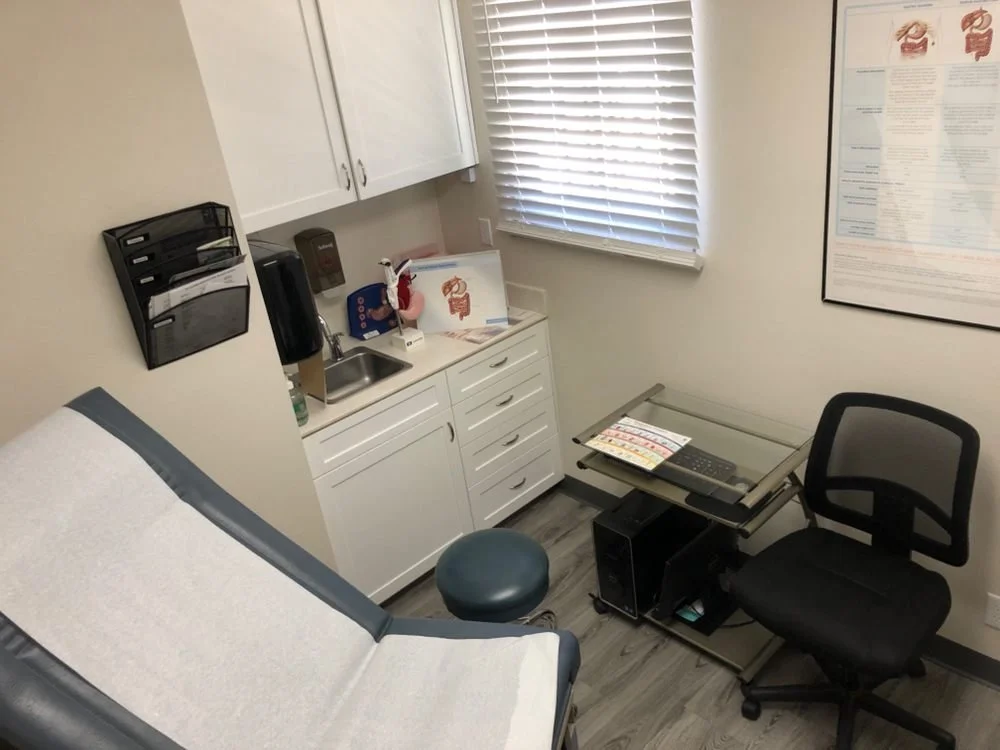
At Desert Surgical & Bariatric Specialists, your care is structured as a comprehensive, multi-disciplinary program—not a singular medical event. Unlike general surgical clinics where a relationship ends once your incisions heal, we treat bariatric and complex abdominal care as a long-term evolution.
By anchoring our program at Desert Regional Medical Center, we surround you with a dedicated network of specialists—from bariatric dietitians to sleep medicine experts—to ensure your absolute safety, navigate insurance requirements smoothly, and protect your long-term health.
The Three Phases of Our Comprehensive Bariatric Program
Phase 1: Multi-Disciplinary Pre-Op Optimization
Navigating the 6-Month Insurance & Clinical Preparation Bariatric surgery is covered by most major medical insurance plans. The insurance verification and clinical optimization process typically takes 6 months. During this foundational period, our clinic utilizes a robust referral network of medical specialists to prepare your body for the safest possible operative outcome:
Comprehensive Laboratory Panel: Broad, evidence-based lab workups to evaluate baseline metabolic health, check kidney and liver function, and pinpoint deep nutritional deficiencies that must be corrected prior to anesthesia.
Bariatric Dietitians: Personalized nutritional therapy to teach you the mechanics of your future anatomy and prepare your metabolism.
Sleep Medicine Specialists: Screenings and treatment for sleep apnea to minimize pulmonary and anesthesia risks.
GI Specialists & Hematology: Collaboration with trusted gastroenterologists and hematologists to optimize your upper GI tract and blood chemistry before stepping into the operating room.
Phase 2: Precision Surgery & Elite Clinical Execution
The Day of Transformation When it is time for your procedure, you are supported by an elite, highly specialized hospital infrastructure. Dr. Ramy A. Awad utilizes his mastery of over 4,000 robotic cases to perform your surgery at Desert Regional Medical Center:
Dedicated Bariatric OR Team: You are cared for by a consistent, highly trained surgical team, nurses, and technicians who specialize exclusively in advanced laparoscopic and robotic bariatric procedures.
Advanced Robotic Mastery: Using the da Vinci® Robotic System to minimize tissue disruption, reduce post-operative pain, and protect delicate anatomy.
Rapid Recovery Protocol: Minimally invasive techniques mean smaller incisions, a significantly shorter hospital stay, and a faster, safer return to daily life.
Phase 3: The "Patient for Life" Program
Continuous Metabolic & Hormonal Support This is where our practice fundamentally differs from traditional general surgery. Because bariatrics and foregut alterations permanently shift how your body processes nutrition and aging, you remain a part of our clinical family indefinitely:
RDN-Led Support Groups: Community and accountability are vital for long-term behavioral maintenance. Our program features structured support groups led by a Registered Dietitian Nutritionist (RDN) to provide ongoing nutritional education, troubleshoot lifestyle hurdles, and celebrate patient victories together.
Hormone Optimization (HRT): Rapid weight loss and metabolic shifts fundamentally alter your endocrine system. We provide targeted Hormone Replacement Therapy to stabilize energy, support metabolism, and maintain vitality as your body evolves.
Medical Obesity Management: If life milestones—such as aging, menopause, or pregnancy—introduce new metabolic challenges or weight stalls years down the road, our clinic utilizes up-to-date, evidence-based medical weight loss strategies to protect your original surgical investment.
Lifelong Monitoring: Ongoing lab evaluations to track nutrient absorption, metabolic function, and overall systemic health.
Bariatric Surgeries
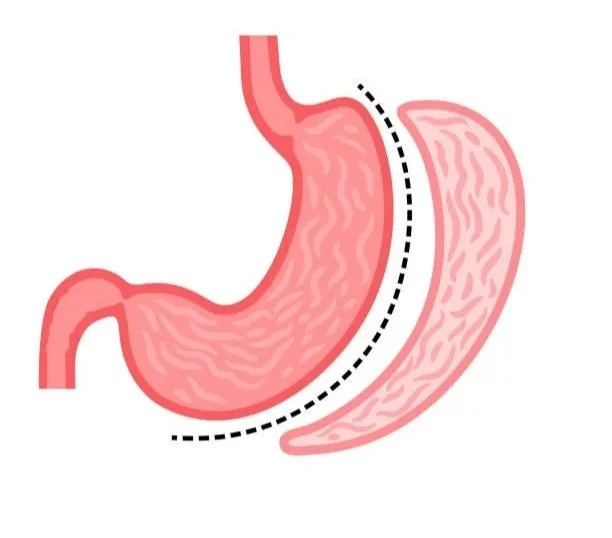
Vertical Sleeve Gastrectomy
During a vertical sleeve gastrectomy, the surgeon permanently removes approximately 80% of the stomach, reshaping the remaining portion into a small, banana-sized vertical tube or "sleeve." This structural alteration limits the amount of food you can consume while significantly lowering the production of hunger-inducing hormones to facilitate sustainable weight loss.
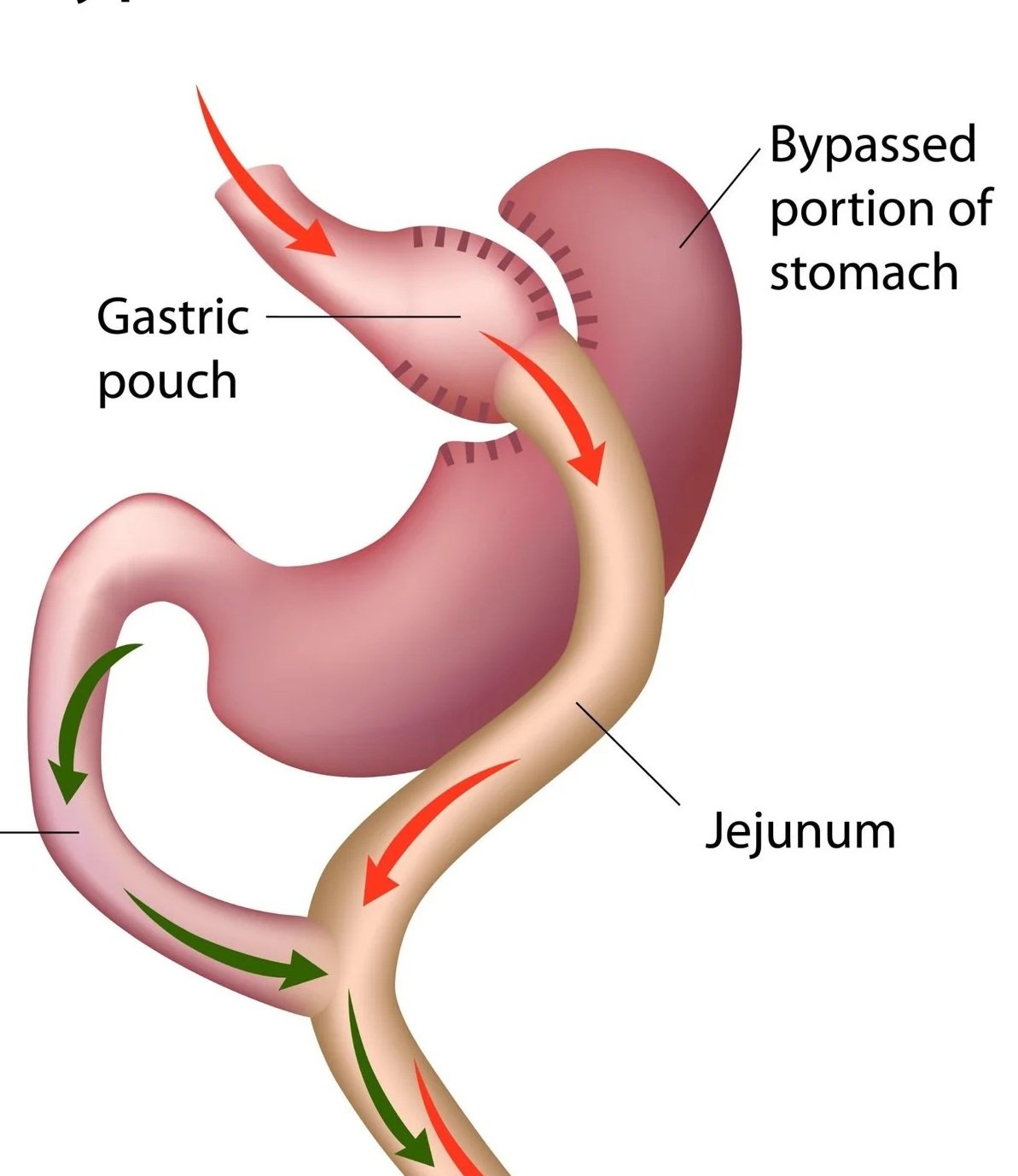
Roux-en-Y Gastric Bypass
The surgeon creates a small stomach pouch and attaches it directly to the lower section of the small intestine, bypassing most of the stomach and upper GI tract. This limits food volume and alters calorie absorption, which frequently triggers a rapid reversal of metabolic conditions like Type 2 diabetes.
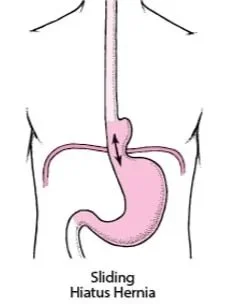
Conversions and Revisions
The surgeon structurally modifies a previous, bariatric procedure—such as converting a failing LAP-BAND or vertical sleeve gastrectomy into a formal gastric bypass. This complex corrective surgery addresses anatomical complications, severe acid reflux (GERD), or weight regain by restoring optimal metabolic function.
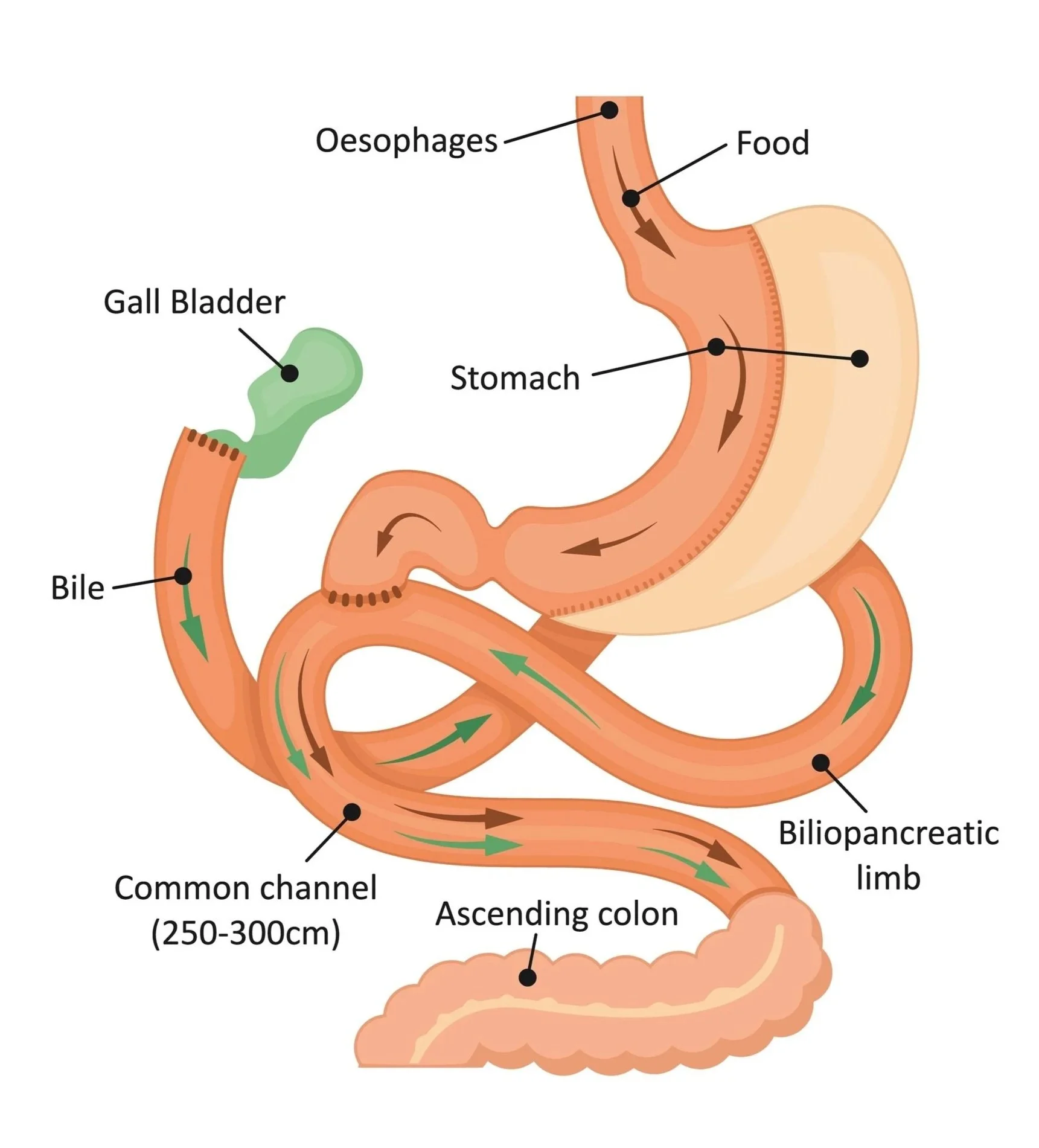
Duodenal Switch
The surgeon performs a vertical sleeve gastrectomy to reduce stomach size, then divides the small intestine to bypass a significant portion of the digestive tract. This advanced procedure limits food capacity and heavily reduces calorie and fat absorption, making it highly effective for patients with severe metabolic disease or a higher initial BMI.